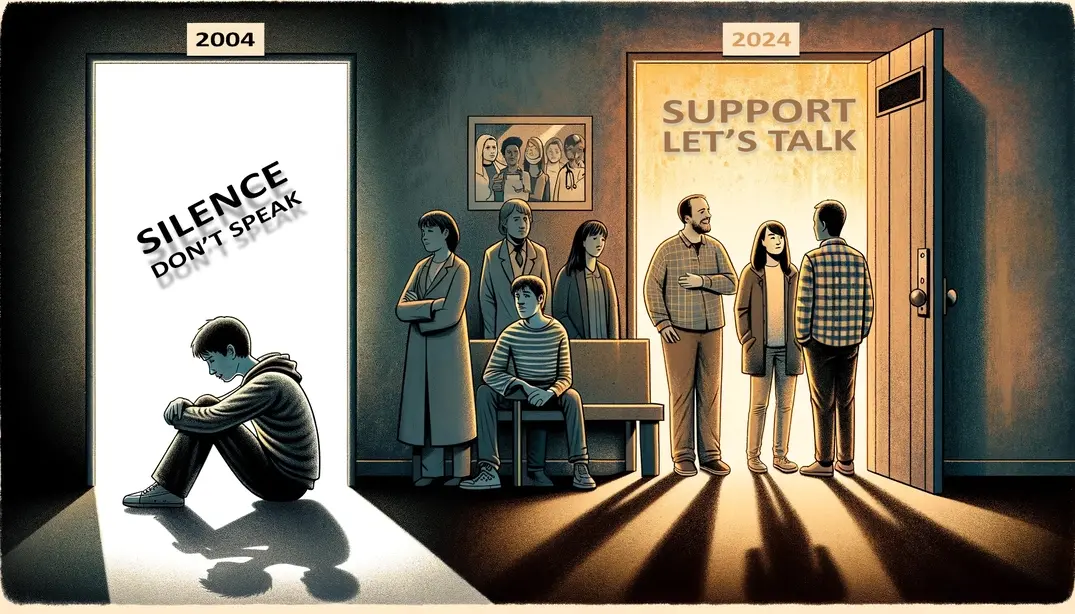
Poor mental health can affect anyone at any time. Sometimes it’s related to a personal difficulty like illness, a bereavement, or bullying, but in many cases there is no obvious cause.
If you know a friend is struggling, you could make a big difference to how they feel by supporting them without judgment. The following tips show you how to be there for others when they need you.
- Be a good listener
Sometimes, all someone needs is a friend to really listen to what they’re saying. Try to find a quiet space where you won’t be interrupted. Let them talk, don’t try to ‘fix’ things, and don’t judge them. Often, they won’t be looking to you for solutions, they may just want chance to offload.
- Talk openly
If your friend knows they can trust you, it will feel easier for them to speak openly about their feelings or worries.
Once they have talked as much as they need to, you can share your experiences. Talking about your own emotions and experiences can make you feel vulnerable, but showing that it’s ok to talk about mental health could help your friend feel brave enough to speak more openly, too.
- Teach yourself
Take the time to learn about anxiety, depression or stress so that you understand what your friend is going through. There are lots of free resources on the YSPI website.
- Encourage professional help
While the support you give your friend is great, you are not a trained counsellor and sometimes professional help is needed. Help them search for a therapist online, or offer to be with them before or after an appointment.
- Check in regularly
We all have emotional ups and downs, and this is also true of people who are struggling with their mental health. Even if your friend seems well, keep checking how they’re feeling as issues such as relationship breakdowns or exam stress can quickly impact emotions.
- Know what to do in a crisis
Knowing when to involve a teacher, school counsellor or a parent is important. If someone talks about self harm, suicide, or mentions something that worries you, take it seriously and seek help immediately. In an emergency, call 999.
- Take care of yourself
It is normal to feel emotionally drained when you’re supporting someone else. Remember that your mental health is important, too. Seek help or talk to someone you trust if you feel overwhelmed.
Being there for a friend can make a huge difference to how they feel. You can start to break down the stigma of mental health, and navigate the ups and downs of emotional challenges together. However, if you feel drained from helping someone else, it is ok to suggest that they also seek help from a teacher, counsellor or another professional. Remember that taking care of your own wellbeing is crucial, too.